
Feeling the Pulse of Asian Running
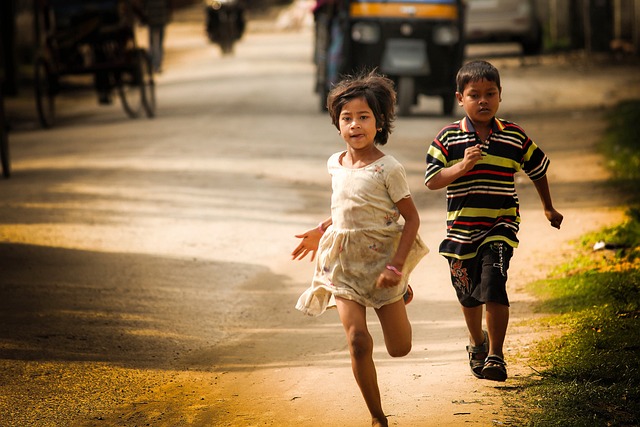
Imagine pre-dawn humidity enveloping your skin while incense drifts from a nearby temple, or the brisk air sweeping across terraced rice fields at altitude. Asian running is more than moving feet along asphalt—it is a rhythmic dialogue between tradition, landscape, and the body’s desire to go farther. Rooted in the blog category of Endurance, this post invites you to step onto ancient streets and forest trails where monks once practiced meditative jogging, modern city dwellers chase sunrise PRs, and weekend warriors rediscover their own resilience.
Fitness: Building a Foundation With Cultural Wisdom
Across Asia, running culture intertwines with time-tested movement arts such as Tai Chi, yoga, and martial forms like Silat or Karate. These disciplines emphasize posture, breath, and economy of motion—exactly the ingredients endurance athletes crave. Incorporate a short Tai Chi flow before your runs to loosen hips and ankles, or adopt a yogic breathing cadence (inhale for three steps, exhale for two) to stabilize oxygen intake during tempo efforts. By blending these approaches, Asian running becomes a holistic fitness ritual that conditions muscles and mind simultaneously.
Training: Proven Methods From Mountain Temples to Megacities
- Altitude Adaptation in the Himalayas
Nepalese and Northern Indian runners routinely climb trails above 2,500 m. Emulate their strength by adding hill repeats or treadmill incline sessions once a week. The payoff is increased red-blood-cell count and steely quads. - Japanese Kaizen Progression
Borrow the philosophy of continuous improvement—add 2 % distance or pace each microcycle. Record small wins in a paper log, a habit practiced by Ekiden athletes to reinforce accountability. - Heat Acclimation in Southeast Asia
Bangkok and Manila runners schedule strategic midday jogs to harden thermoregulation. Start with 10-minute warm-weather strides, hydrating with coconut water to replenish electrolytes. - Mindful Mileage From Korean Temple Stays
Monastic runners focus on a single mantra (“calm feet, light heart”) for the entirety of a long run. This mental anchor reduces perceived exertion and refines stride rhythm.
Health: Nutrition and Recovery the Asian Way
Endurance demands swift cellular repair. Fortunately, Asian culinary traditions deliver natural recovery foods:
- Miso and Seaweed Soups for gut-soothing probiotics and iodine.
- Tumeric-infused Dal to tame inflammation with curcumin.
- Bibimbap with Fermented Kimchi for a rainbow of antioxidants and beneficial bacteria.
- Matcha, offering sustained caffeine release and potent catechins that fight oxidative stress.
Pair these with the ancient practice of Shinrin-yoku—forest bathing—by cooling down under bamboo canopies or pine groves. Cortisol levels drop, heart rate variability improves, and legs feel fresher for the next session.
Activity: Crafting Your Personalized Asian Running Routine
Below is a sample seven-day micro-cycle blending fitness, training, health, and mindful activity:
| Day | Morning | Evening |
|---|---|---|
| Mon | 5 km easy run + Tai Chi warm-up | Foam roll, miso soup |
| Tue | Hill repeats (6 × 2 min) | Yoga for runners, matcha latte |
| Wed | Tempo 8 km using breath cadence (3–2) | Shinrin-yoku walk |
| Thu | Rest / gentle Thai stretch | Turmeric dal dinner |
| Fri | Interval set (10 × 400 m) under city lights | Epsom salt soak, kimchi bowl |
| Sat | Long mindful run 14 km chanting mantra | Contrast shower, meditative journaling |
| Sun | Community fun run or park jog | Family meal, gratitude practice |
The Emotional Thread of Endurance
Whether you chase split times along Tokyo’s rivers, weave through Kuala Lumpur’s botanical gardens, or trace tea plantation switchbacks in Sri Lanka, Asian running teaches that endurance is a conversation between body, culture, and environment. Every stride echoes stories of traders on the Silk Road, pilgrims scaling sacred peaks, and students hustling through neon boulevards. Embrace that lineage. Feel the collective heartbeat under your feet. Lace up tomorrow with the quiet confidence that you are part of a movement stretching across continents and generations, rewriting what the human spirit can endure.